

Empty Chairs at Empty Tables
What No One Tells Fathers About Loss

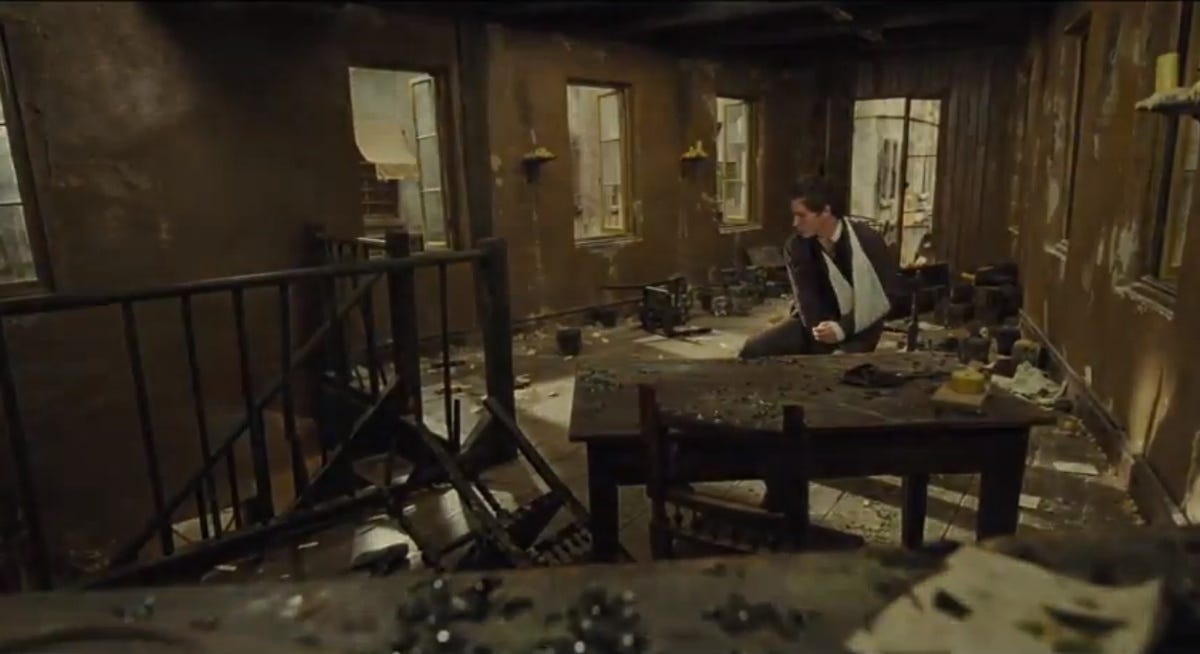
The grief that doesn’t announce itself.
It just sits across from you at dinner.
Count the chairs at your table.
Go ahead. Right now. Picture your dinner table. Count the chairs. Now count the ones that used to be full.
There’s a song from Les Misérables that wrecks me every time. Marius, the only survivor of the barricade, sits alone in the café where his friends used to gather. He sings:
“There’s a grief that can’t be spoken.
There’s a pain goes on and on.
Empty chairs at empty tables.
Now my friends are dead and gone.”
His friends died in revolution. Yours probably didn’t.
But the chairs emptied anyway.
The Chairs Fill Before They Empty
Nobody warns you.
When the table’s full—five kids, elbows knocking, someone spilling milk, two of them fighting over the last roll—you can’t imagine it any other way.
The noise is maddening.
The mess is constant.
And you fantasize about silence.
I remember praying for peace. Actual peace. Five minutes where nobody needed anything. Where the house wasn’t a war zone of homework and hormones and “he’s looking at me.”
Be careful what you pray for.
My three oldest are gone now. Launched. Three years out. The chairs they sat in for eighteen years? Empty.
Two daughters left. For now.
Here’s what nobody tells you:
You spend two decades wishing for silence. Then silence comes. And you’d sell your soul to hear them fight over the last piece of bread one more time.
The Fullness Was the Gift
I wrote before about children as arrows. Psalm 127.
“As arrows are in the hand of a mighty man; so are children of the youth.”
But here’s the part I missed: a quiver full of arrows is temporary. The whole point of arrows is to shoot them.
A full table is temporary too.
Those years of chaos? That was the gold. You were standing in the treasure room complaining about the clutter.
The full table. The loud table. The annoying, messy, exhausting table—that was the gift. You just couldn’t see it because you were too busy surviving it.
Now I walk past bedrooms that echo.
Set places that stay empty.
Catch myself cooking for seven when there’s only four.
The fullness was never permanent. It was preparation. For this. For the quiet. For the weight of chairs that don’t pull out anymore.
Three Ways Chairs Go Empty
Not all empty chairs are the same. The weight differs. The grief differs. Let me name them so you can name yours.
The Launched Chair
This one’s supposed to happen.
You raised them, aimed them, released them. Off to college. Into marriage. Toward calling.
The chair empties but might fill again—holidays, visits, grandchildren on laps where your kids once sat.
There’s grief here, but it’s clean grief. It comes with pride.
My oldest three are launched chairs. They call. They visit. The chairs fill sometimes.
But “sometimes” still means “mostly empty.”
The Drifted Chair
This one cuts different.
They’re alive. They’re out there. But the calls stopped. The visits thinned. The chair could fill—they could walk in any Sunday—but it doesn’t.
They chose absence.
Maybe it was something you did. Maybe it was nothing you did. Maybe the world just got louder than your voice.
They drifted into careers, relationships, ideologies, addictions—whatever pulled them away from the table you built.
The drifted chair haunts because it’s not final.
There’s no funeral.
No closure.
Just silence where a voice used to be.
Every father with a prodigal knows this weight. You set the place anyway. You look up when the door opens. You keep hoping physics reverses and the arrow finds its way back.
The Lost Chair
Shakespeare had a son named Hamnet. He died at eleven.
Four years later, Shakespeare wrote Hamlet. Some scholars think the whole play is a father screaming into the void about a boy he couldn’t save.
Hamnet. Hamlet.
A dead son resurrected as a grieving prince who sees ghosts.
That’s what losing a child does. It turns you into someone who sees ghosts.
The lost chair is different. It’s not empty because they launched or drifted. It’s empty because death came early. Sickness. Accident. The phone call every parent fears.
This chair will never fill again. Not at holidays. Not ever.
I haven’t sat in this grief. I pray I never do. But I’ve held men who have. Watched them stare at chairs their children will never occupy again. Watched them set a place at Christmas anyway, because stopping feels like forgetting, and forgetting feels like betrayal.
If this is your chair, I have no words. Only presence.
Only the promise that the God who lost His Son understands the weight you carry.
What Marius Knew
Back to that café. Back to Marius, alone, surrounded by empty chairs.
“Oh my friends, my friends, don’t ask me what your sacrifice was for.”
He survived. They didn’t. Now he has to live with the silence.
Fatherhood has a version of this.
You survived the early years. The sleepless nights. The toddler tantrums. The teenage wars. The financial strain. The marriage pressure. The thousand moments you almost quit.
You made it through.
But not everyone did.
Some marriages didn’t survive the parenting years. You watched friends split, tables divide, chairs get hauled to separate apartments.
Some kids didn’t make it. Illness. Accidents. Choices that ended everything.
Some faith didn’t survive. You watched fathers walk away from God, away from church, away from the beliefs they swore they’d pass down. Their chairs sit empty in pews now.
You’re still here. At a table. With some chairs full and some chairs empty. And sometimes you feel like Marius—survivor’s guilt for a war that never officially ended.
“Phantom faces at the window.
Phantom shadows on the floor.
Empty chairs at empty tables
Where my friends will meet no more.”
You poured everything into them. Prayer. Discipline. Presence. Money you didn’t have. Time you couldn’t spare. Sleep you desperately needed.
And sometimes they still drifted. Still broke. Still disappeared into a world that swallowed them whole.
Marius asks the question every surviving father asks:
What was the sacrifice for?
The Father Who Kept the Chair
Jesus told a story about a father with two sons. One stayed. One left.
The one who left took his inheritance—basically told his father, “I wish you were dead, give me my share now”—and vanished into what the Bible calls “riotous living.”
You know the story.
But here’s what wrecks me about the father:
He kept the chair.
“And when he was yet a great way off, his father saw him…” (Luke 15:20, KJV)
That means the father was watching. Daily. Scanning the horizon. Looking for a silhouette he hadn’t seen in years.
The chair stayed empty, but the table stayed set. The door stayed unlocked. The father kept believing the arrow might return.
He could have moved on. Could have written the boy off. Could have converted his room into an office and stopped setting his place.
But he didn’t.
He kept watching the road.
And when that boy came home—filthy, broken, rehearsing his apology—the father didn’t wait for him to reach the door.
He ran.
The empty chair filled again.
The Table You’re Building Now
If your table is still full—listen to me.
Memorize these days.
I know the noise is loud. I know the mess is constant. I know you’re exhausted from refereeing fights and checking homework and wondering if any of this is working.
It’s working.
And it’s temporary.
The chaos is the gift. The full table is the treasure. You’re living in the days you’ll ache for later.
Don’t wish them away. Don’t fantasize about silence.
Silence is coming. It always comes.
Sit in the noise a little longer. Let the mess be. Watch them fight over the last roll and thank God you have kids who still eat at your table.
The chairs will empty soon enough.
For Fathers With Empty Chairs
Maybe you’re already here. Table’s quieter than it used to be. More chairs empty than full.
Here’s what I want you to know:
The table stays set.
Keep their places. Not as shrines. As invitations. The empty chair says, “You’re still welcome here. You’re still family. There’s still room.”
The door stays unlocked.
Prodigals come home at weird hours. Drifted kids sometimes drift back. If the door is locked—literally or metaphorically—they might not knock twice.
Some arrows do come back.
Holidays. Grandchildren. That random Tuesday when they call just to talk. The trajectory looked permanent, but God has a way of bending physics.
And if they don’t—
If the chair stays empty. If the drift becomes permanent. If the loss is final.
You still shot true.
You still built the arrow with your bare hands. Still straightened the shaft with discipline and love. Still aimed toward truth and released with prayer.
The flight isn’t your responsibility.
Just the craftsmanship.
Just the release.
God handles the trajectory.
The Hardest Chair
There’s one more chair I need to name.
The chair you save for the one who might not come back.
Every father knows which chair this is. You could point to it right now. The child who drifted furthest. The one who hasn’t called in months. The one whose choices keep you up at 3 AM, praying prayers that feel like they hit the ceiling.
That chair is the heaviest.
Because it’s not empty from death. It’s empty from choice.
They’re out there somewhere, alive, and they’re choosing to stay away.
Here’s what I do with that chair:
I keep setting a place.
Not denial. Faith.
“Now faith is the substance of things hoped for, the evidence of things not seen.” (Hebrews 11:1, KJV)
The chair stays. The place stays set. The prayer continues.
Until it doesn’t need to anymore.
Set the Table Anyway
Here’s the command:
Keep the chairs. Keep the table. Keep the door open.
Even when it hurts. Especially when it hurts.
I picture myself twenty years from now. Old man at a long table. Most chairs empty. The quiver light. The bow bent from decades of drawing and releasing.
But the table’s still set.
Every place. Every name. Every prayer.
Because that’s what fathers do.
We build tables for families that might scatter. We set chairs for children who might not come. We cook meals for mouths that might be miles away.
And we wait.
“Empty chairs at empty tables—now my friends are dead and gone.”
Marius sang about friends lost to war.
Fathers sing about children lost to time. To distance. To drift. To death.
But here’s the difference:
His friends weren’t coming back.
Our chairs might still fill.
So we keep the table set. Keep the door unlocked. Keep watching the road like that father in Jesus’ story.
Because one day—maybe today, maybe years from now—a silhouette might appear on the horizon. Limping home. Rehearsing apologies. Wondering if there’s still room.
And when they see the chair still there, the place still set, the door still open—they’ll know what they’ve always known:
The table was never full because of the chairs.
It was full because of the love that kept them there.
Which chair weighs heaviest for you? Tell me in the comments.
—Biblical Man
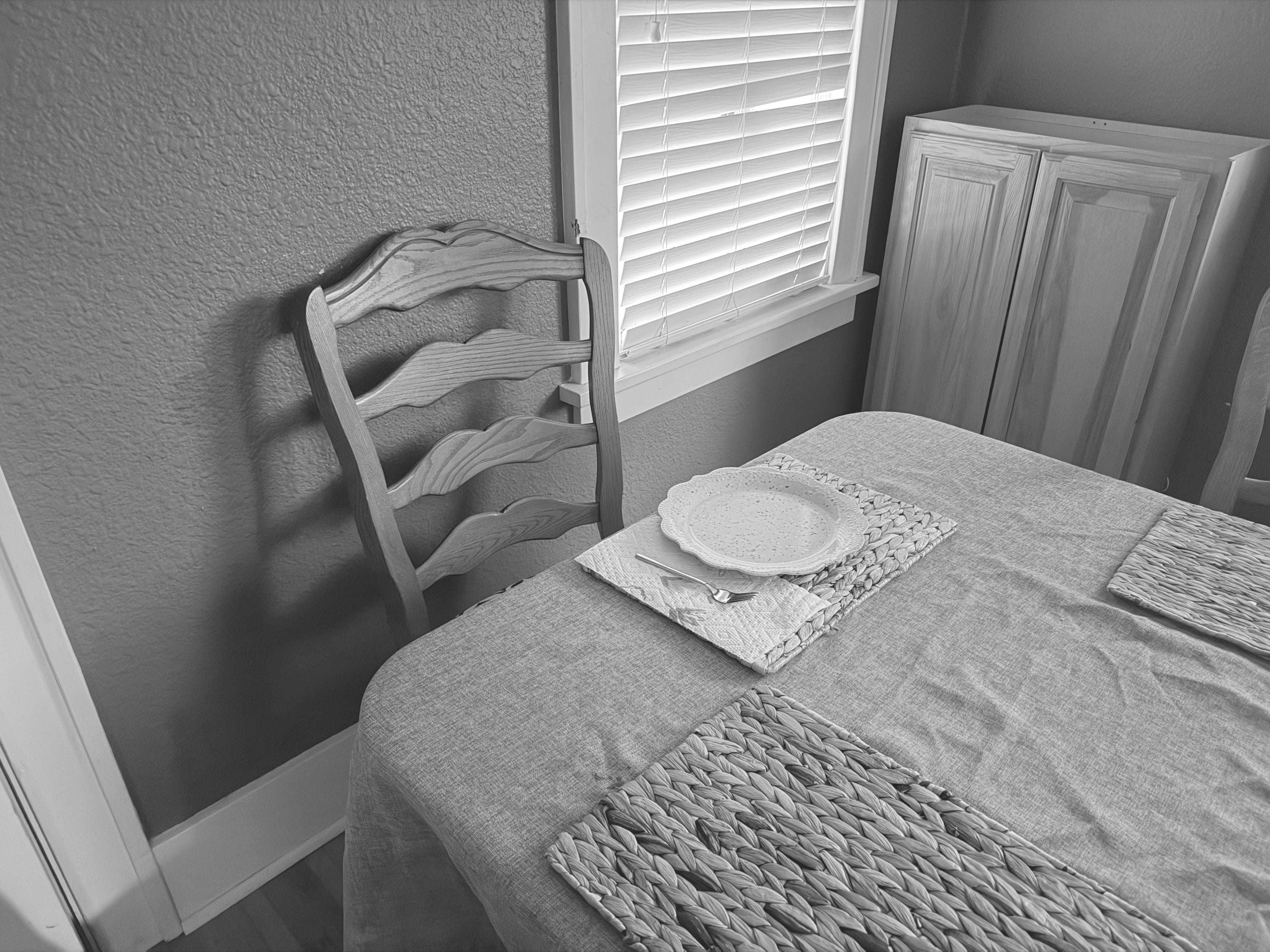
P.S. To my launched, my soon-to-launch, and my still-at-home: The chairs will always be here. The table will always be set. And this old bow will watch the road until his eyes give out—praying, believing, waiting for whatever grace brings back.
You have written some great stuff, but this is some of your best. I read it with sadness as I categorized my empty chairs around my table, but also took heart in the hope of waiting for them to return. One of my chairs isn’t physically empty but feel that is my child that has drifted the furthest. But daily I put my trust in the One who leaves the 99 to go after the one because He did it for me.
Awesome post. I'd write more but my allergies are acting up and I can't see straight... Thank you, this one hurt real good...